





- IDP China>
- 课程库>
- 工程与技术>
- 工程>
- 高分子与塑料工程>
- Master of Science in Materials Science and Engineering - Polymers and Biomaterials
Master of Science in Materials Science and Engineering - Polymers and Biomaterials


学历文凭
Masters Degree

专业院系
Materials Science and Engineering

开学时间

课程时长

课程学费

国际学生入学条件
Transcripts and Degrees must be in English (all post-secondary education, including transcript keys).
Unofficial transcripts should be uploaded to your graduate application. The minimum requirement for admission consideration is the completion and award of a four year U.S. bachelor's degree, or its equivalent, by the time of planned enrollment.
Personal Statement
Resume or curriculum vitae
Two letters of recommendation
Portfolio, if required by department
TOEFL score of 88 iBT
IELTS score of 6.5

IDP—雅思考试联合主办方

雅思考试总分
6.5
- 雅思总分:6.5
- 托福网考总分:88
- 托福笔试总分:160
- 其他语言考试:Duolingo score of 120<br>PTE score of 59
CRICOS代码:
申请截止日期: 请与IDP联系 以获取详细信息。
课程简介
相关申请
 预科
预科 奖学金
奖学金- 实习机会
- 在校学习
- 跨境学习
- 校园授课-线上开始
- 在线/远程学习
开学时间&学费
学费信息仅供参考,请与IDP联系以获取详细信息
| 开学时间 | 时长 | 学费 | 地点 |
|---|
学校排名

世界排名351
数据源:
泰晤士高等教育世界大学排名

本校相关课程

电气工程学学士学位
学历文凭
Bachelor Degree
开学日期
课程费用总额

Bachelor of Science in Interdisciplinary Science
学历文凭
Bachelor Degree
开学日期
课程费用总额
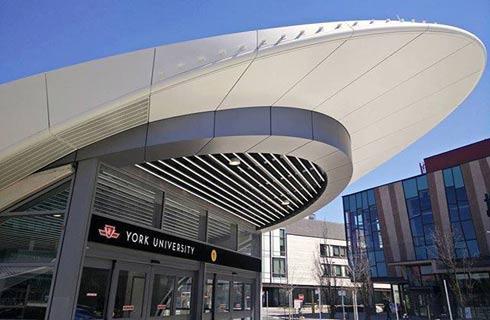
Bachelor of Science in Physician-Scientist/Doctor of Medicine
学历文凭
Combined Bachelor's / Doctoral Degree
开学日期
课程费用总额
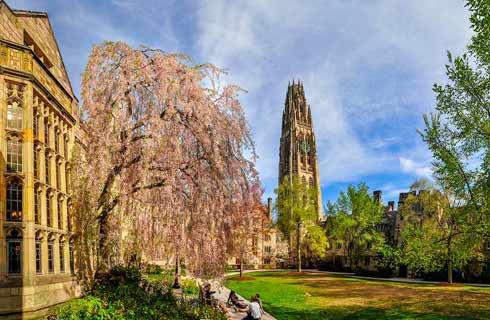
技术商业化和创业学理学硕士
学历文凭
Masters Degree
开学日期
课程费用总额

科学技术哲学博士
学历文凭
Ph.D.
开学日期
课程费用总额
物理学哲学博士
学历文凭
Ph.D.
开学日期
课程费用总额
其他相关课程

Certificate in Pipeline Engineering
 卡尔加里大学
学历文凭
Graduate Certificate
开学日期
课程费用总额

Doctor of Philosophy in Polymer Science and Engineering
 马萨诸塞大学阿默斯特分校
学历文凭
Ph.D.
开学日期
课程费用总额

高分子科学与工程哲学博士
里海大学泰晤士高等教育世界大学排名:672
学历文凭
Ph.D.
开学日期
课程费用总额

高分子科学与工程工程硕士
里海大学泰晤士高等教育世界大学排名:672
学历文凭
Masters Degree
开学日期
课程费用总额

高分子科学与工程理学硕士
里海大学泰晤士高等教育世界大学排名:672
学历文凭
Masters Degree
开学日期
课程费用总额
工程哲学博士-塑料工程
马萨诸塞大学洛厄尔分校学历文凭
Ph.D.
开学日期
课程费用总额