




Bachelor of Science in Integrated Design and Media

 美国
美国
学历文凭
Bachelor Degree

专业院系
Tandon School of Engineering

开学时间

课程时长

课程学费

国际学生入学条件
Students must receive your undergraduate degree (U.S. baccalaureate or equivalent) from an institution of recognized standing before enrollment in the Graduate School.
For the TOEFL, the Graduate School recommends that the applicant achieve a minimum TOEFL score of 100 on the internet-based test

IDP—雅思考试联合主办方

雅思考试总分
7.5
- 雅思总分:7.5
- 托福网考总分:100
- 托福笔试总分:160
- 其他语言考试:PTE Academic - 70 and above
CRICOS代码:
申请截止日期: 请与IDP联系 以获取详细信息。
课程简介
相关申请
 预科
预科- 奖学金
- 实习机会
- 在校学习
 跨境学习
跨境学习- 校园授课-线上开始
- 在线/远程学习
开学时间&学费
学费信息仅供参考,请与IDP联系以获取详细信息
| 开学时间 | 时长 | 学费 | 地点 |
|---|
学校排名

世界排名27
数据源:
泰晤士高等教育世界大学排名
关于纽约大学

纽约大学NYU是全美最大的私立大学。 不仅如此,纽约大学NYU主校区每年会迎来2000为国际学生,纽约大学阿布扎比分校的国际生来自90多个国家,加上2013年开设的纽约大学上海校区,纽约大学NYU是名副其实的全球第一所 Global Network University。相比于522门专业,纽约大学NYU的学生普遍认为,在纽约这个全球最发达的城市所学到的街头知识同样重要。有人说,纽约大学,就是纽约本身。纽约大学提供惊人的522个专业供学生选择,其中商科类与艺术类专业尤其著名。本科阶段,你有机会从Dean’s Undergraduate Research Fund中获得250到2000美元不等的资金支持。教授会用他们的亲身经历来补充课堂上学习的内容,他们在上班时间和电子邮件里都一样平易近人。
本校相关课程
物理学哲学博士
学历文凭
Ph.D.
开学日期
课程费用总额

法学博士/哲学哲学博士
学历文凭
Double Major Degree
开学日期
课程费用总额

绩效研究哲学博士
学历文凭
Ph.D.
开学日期
课程费用总额

神经科学哲学博士
学历文凭
Ph.D.
开学日期
课程费用总额

中东和伊斯兰研究哲学博士
学历文凭
Ph.D.
开学日期
课程费用总额

大气海洋科学哲学博士
学历文凭
Ph.D.
开学日期
课程费用总额
其他相关课程

英语文学硕士-修辞与传播设计(课程工作)
 滑铁卢大学
滑铁卢大学学历文凭
Masters Degree
开学日期
课程费用总额

英语文学硕士-实验数字媒体
滑铁卢大学学历文凭
Masters Degree
开学日期
课程费用总额
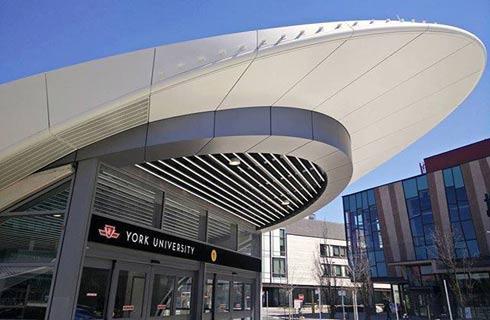
媒体制作文学硕士
多伦多都会大学学历文凭
Masters Degree
开学日期
课程费用总额
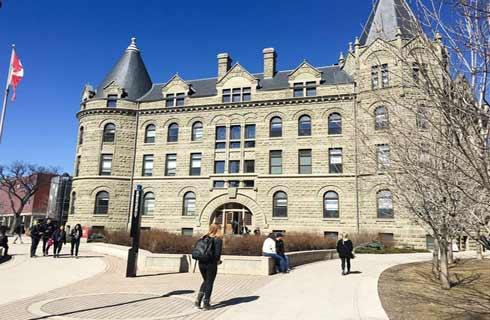
媒体制作文学士
多伦多都会大学学历文凭
Bachelor Degree
开学日期
课程费用总额

安大略大学互动媒体设计大专文凭
圣力嘉学院学历文凭
Bachelor Degree
开学日期
课程费用总额

电子商务技术理学硕士
渥太华大学泰晤士高等教育世界大学排名:188
学历文凭
Masters Degree
开学日期
课程费用总额